Our History
60 Years of
Space Heritage
From the first satellite launch off the Kenyan coast in 1967 to deploying our own Earth observation satellites, Kenya's space story is one of partnership, ambition, and African innovation.
Africa's First Space Nation
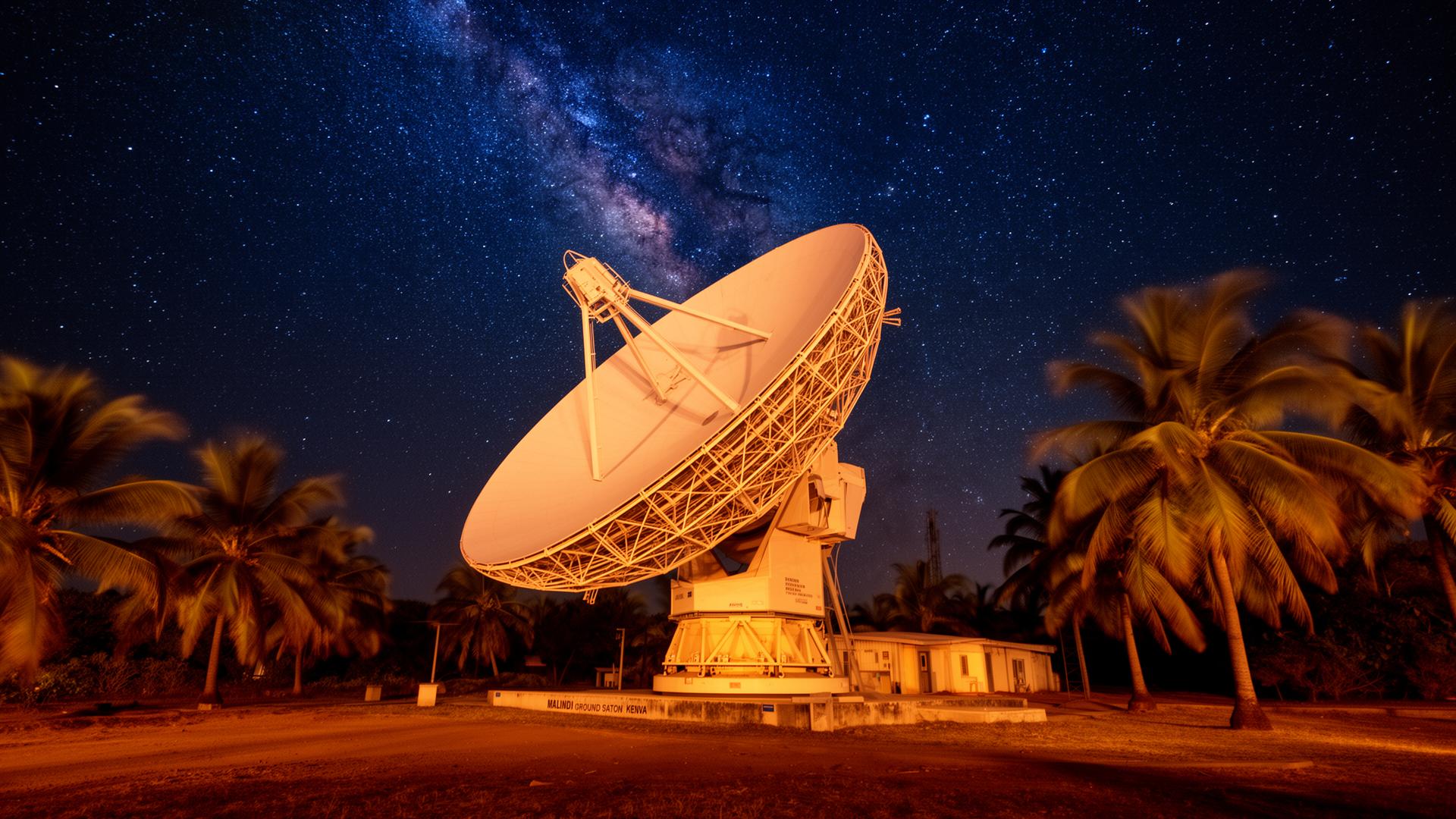
Kenya's involvement in space predates most nations on Earth. In 1964, while many countries were still establishing their space programmes, Kenya was already hosting one of the most sophisticated satellite launch facilities in the world, the San Marco Equatorial Range near Malindi.
The Italian-Kenyan partnership that created San Marco was visionary. The equatorial location provided unique orbital mechanics advantages that attracted attention from space agencies worldwide. By 1967, the first satellite had been launched from Kenyan waters, making Kenya the site of the first non-superpower orbital launch in history.
This heritage runs deep. Today, the Broglio Space Centre (formerly San Marco) continues to serve as a critical tracking station for ESA missions, while the Kenya Space Agency charts an ambitious new course, developing indigenous satellites, training space scientists, and using space technology to address Kenya's most pressing development challenges.
Timeline
Key Milestones
San Marco Programme Begins
Italy and Kenya establish the San Marco Equatorial Range near Malindi on the Kenyan coast. The facility becomes the first equatorial satellite launch site, launching the San Marco 1 satellite, making Kenya's coastline part of space history.
First Orbital Launch from Africa
San Marco 2 is launched from the Malindi sea platform, the first satellite launched from a non-US/USSR site. The equatorial location provides ideal conditions for placing satellites into equatorial orbit.
San Marco 3 Mission
The third San Marco satellite launches to study the equatorial atmosphere, establishing Malindi as a world-class facility for atmospheric and ionospheric research.
Ground Station Expansion
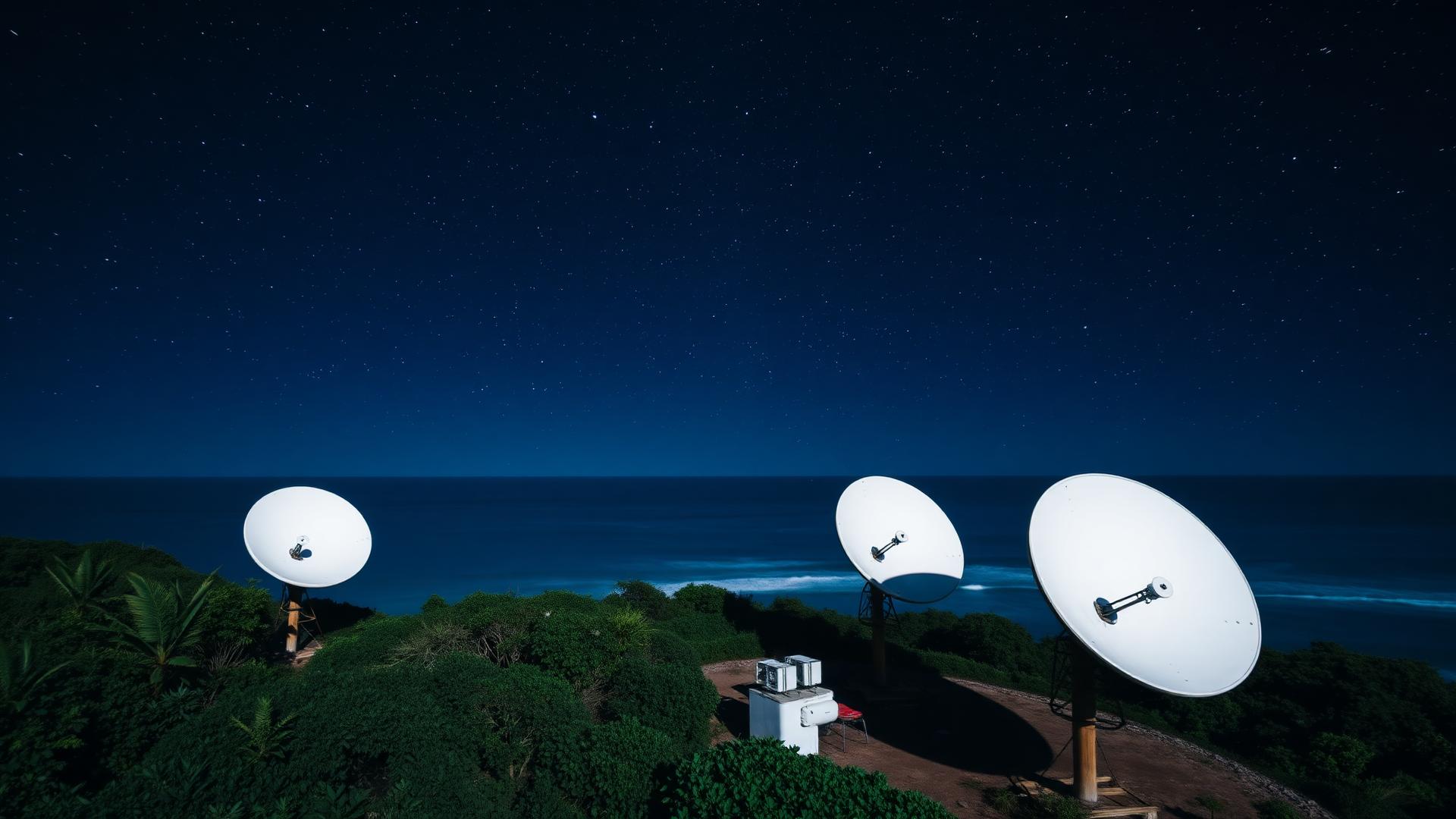
The Malindi Ground Station is expanded to support tracking operations for the European Space Agency (ESA), becoming a critical node in the global satellite tracking network.
ESA Partnership Deepens
Kenya signs a comprehensive agreement with ESA to operate the Broglio Space Centre (renamed from San Marco) as a key ground station for Ariane rocket launches and satellite operations.
Kenya Ratifies UN Space Treaties
Kenya ratifies the Outer Space Treaty and the Registration Convention, signaling its commitment to the peaceful use of outer space and setting the legal foundation for a national space agency.
Kenya Space Agency Established
The Kenya Space Agency is officially established under the Science, Technology and Innovation Act, 2013. KSA is mandated to coordinate all space-related activities in Kenya and promote space science for national development.
1KUNS-PF Satellite Launched
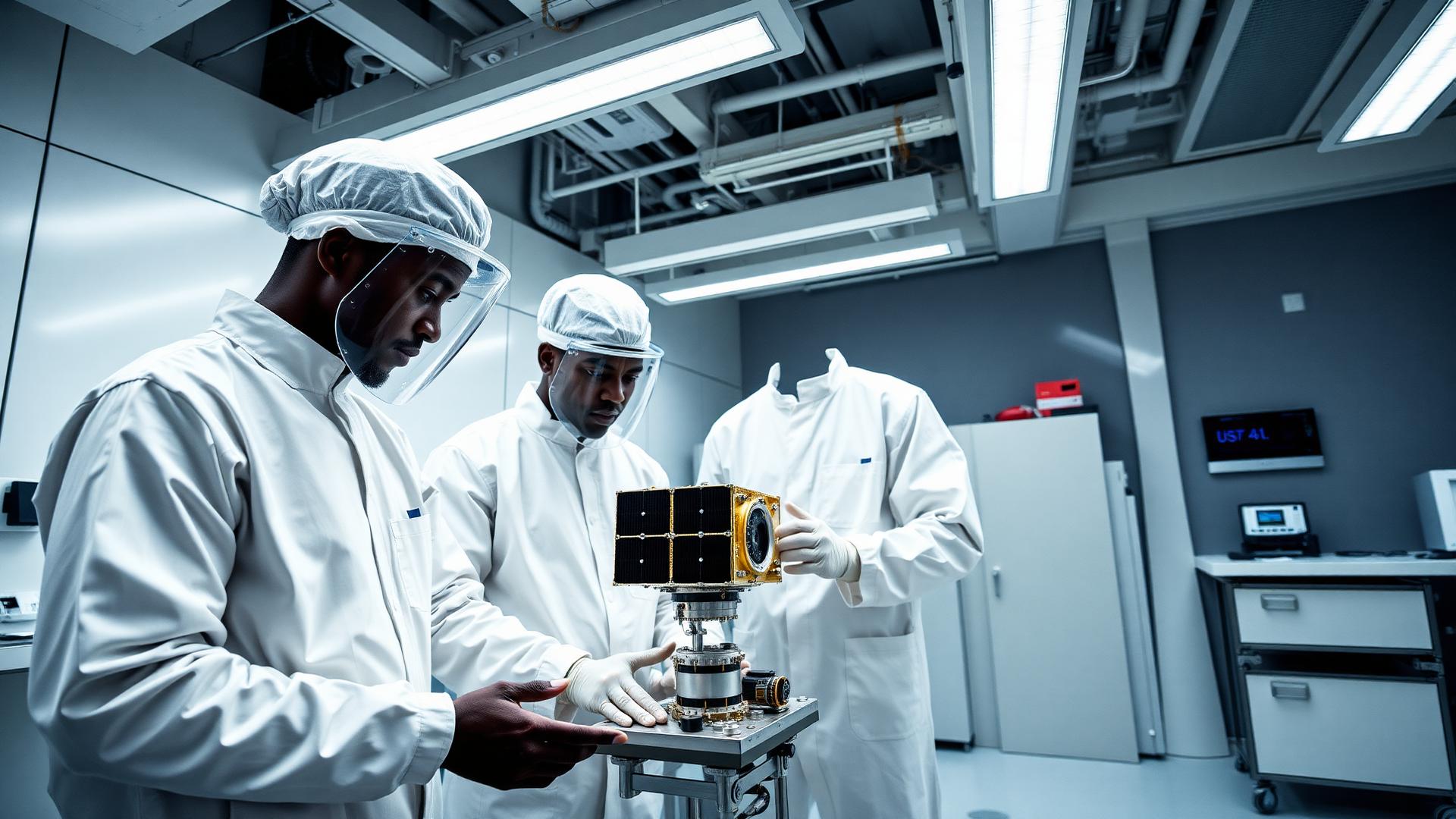
Kenya's first satellite, 1KUNS-PF (1st Kenya University NanoSatellite – Precursor Flight), is deployed from the International Space Station. Built by the University of Nairobi in collaboration with JAXA and the University of Rome.
Taifa-1 Satellite Launch
Kenya's second satellite, Taifa-1, launches aboard a SpaceX Falcon 9 rocket. The Earth observation satellite is designed to monitor agriculture, food security, and environmental changes across Kenya.
National Space Policy Approved
Kenya's Cabinet approves the National Space Policy, providing a comprehensive framework for the development of Kenya's space sector, including plans for a satellite constellation and expanded ground infrastructure.
KenyaSat-3 Programme
Development begins on KenyaSat-3, Kenya's first fully indigenous microsatellite, designed at the KSA Space Technology Centre in Nairobi with enhanced Earth observation capabilities.
The Next Chapter
Kenya's space programme is entering its most ambitious era. Explore our current programmes and discover how we're building Africa's space future.
Explore Programmes